Predators for productivity
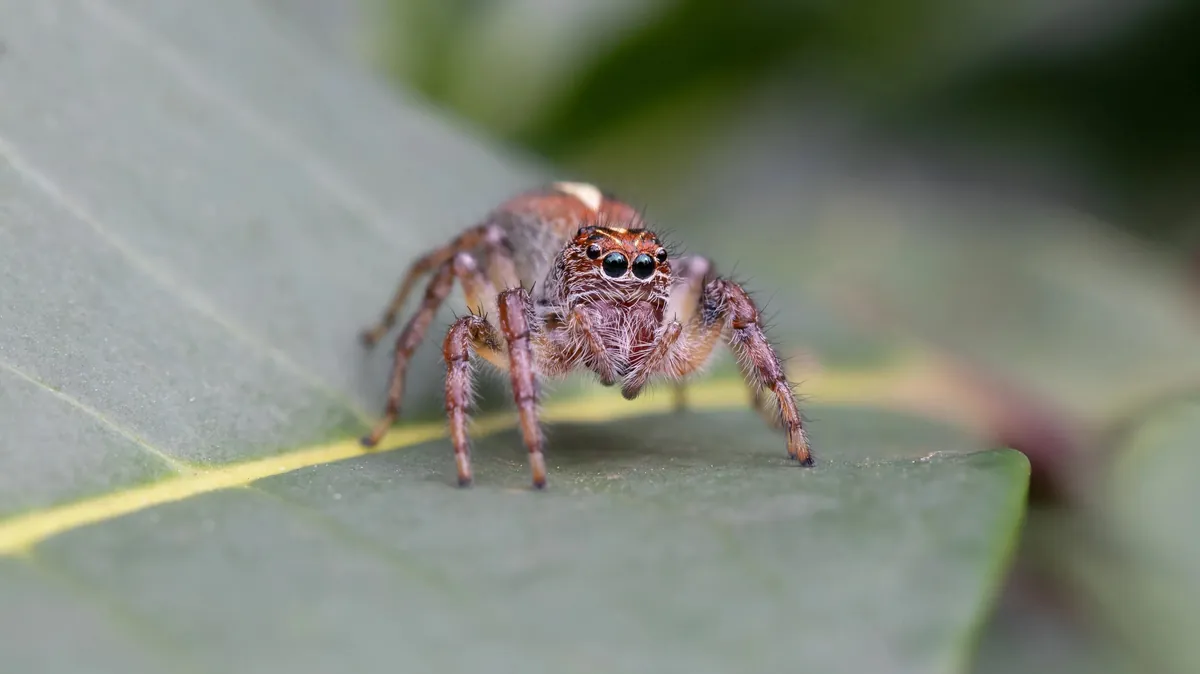
New spiders in farms, orchards and vineyards, with the Australasian Arachnology Society and growers worldwide.
One US$100 payment connects you to a random named species, and funds research to name the 70% still unknown.
You get the name of one species, chosen at random from every species science has named, to take an interest in for the rest of your life. No ongoing obligation, no packaging, no landfill. Just a lifelong friend and a fun fact to share.
6.4M
species still waiting to be discovered and named
1.7M
species have a scientific name
8.1M
species estimated on the planet
1M
species predicted to become extinct because of human activity
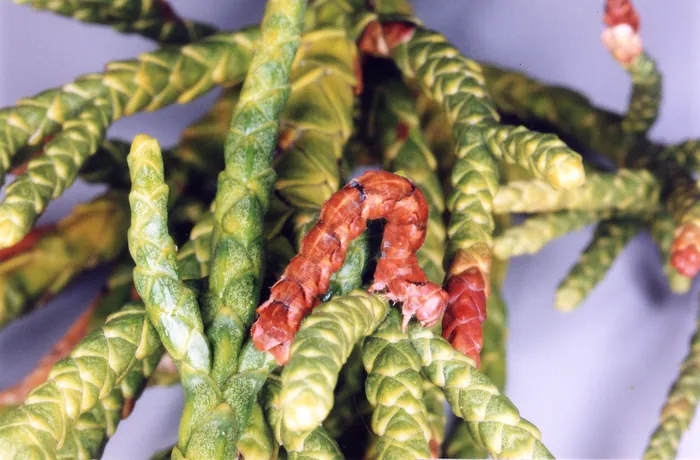
Over 90% of species in soil are yet to be named. Knowing which species are there helps us know when they are not.
Figures quoted by Ecoconnections from the IPBES Global Assessment and Mora et al. 2011, PLoS Biology.
Pick a path. Every one puts a species in someone's life and money into naming the unnamed.
US$100
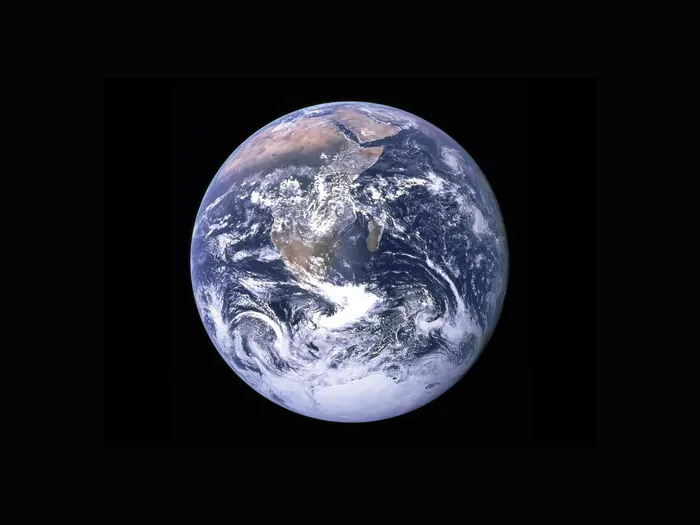
The original. The name of a species, randomly allocated from all named species, to take an interest in for life.
US$100
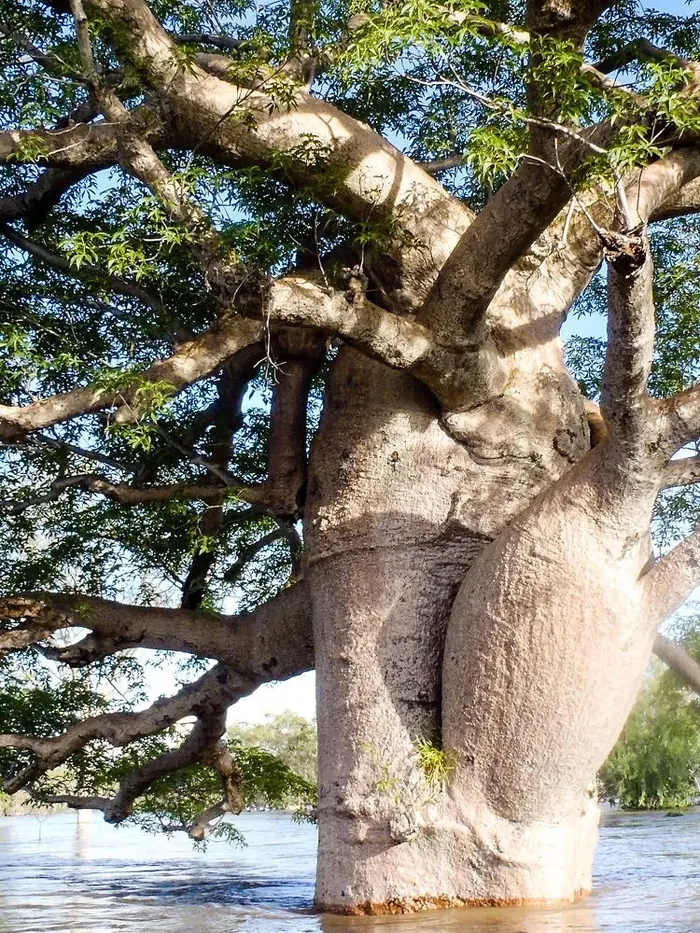
A species from Martuwarra Fitzroy River Country, celebrating Indigenous species names and the people of Martuwarra.
US$100
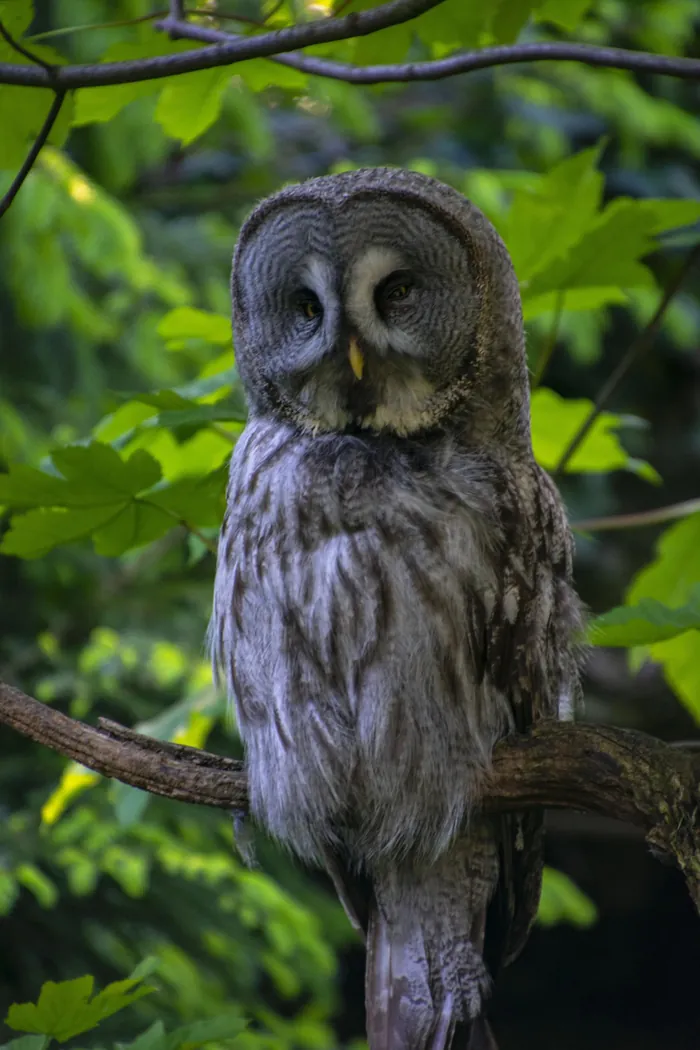
Already feel a bond? Choose your own species: an endangered local, a team mascot or a class favourite. Solo or as a group.
Free wait list
Not in a position to pay? Join the wait list. We'll find a donor to connect you, and you share the mission.
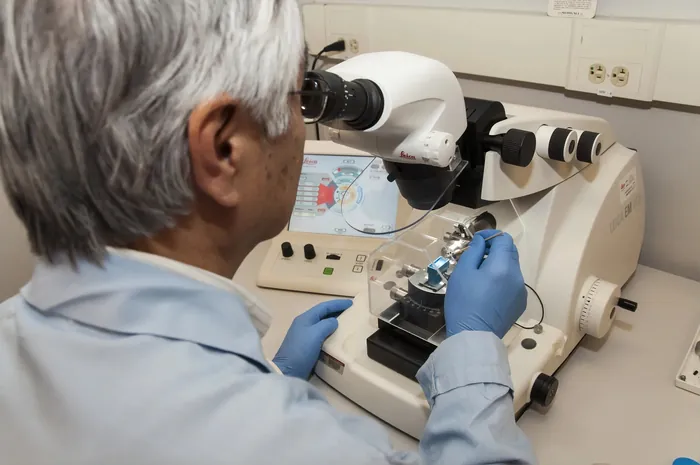
$100 to $100M
Fund taxonomy research directly, or pay for people on the free list to ecoconnect, one or as many as you like.
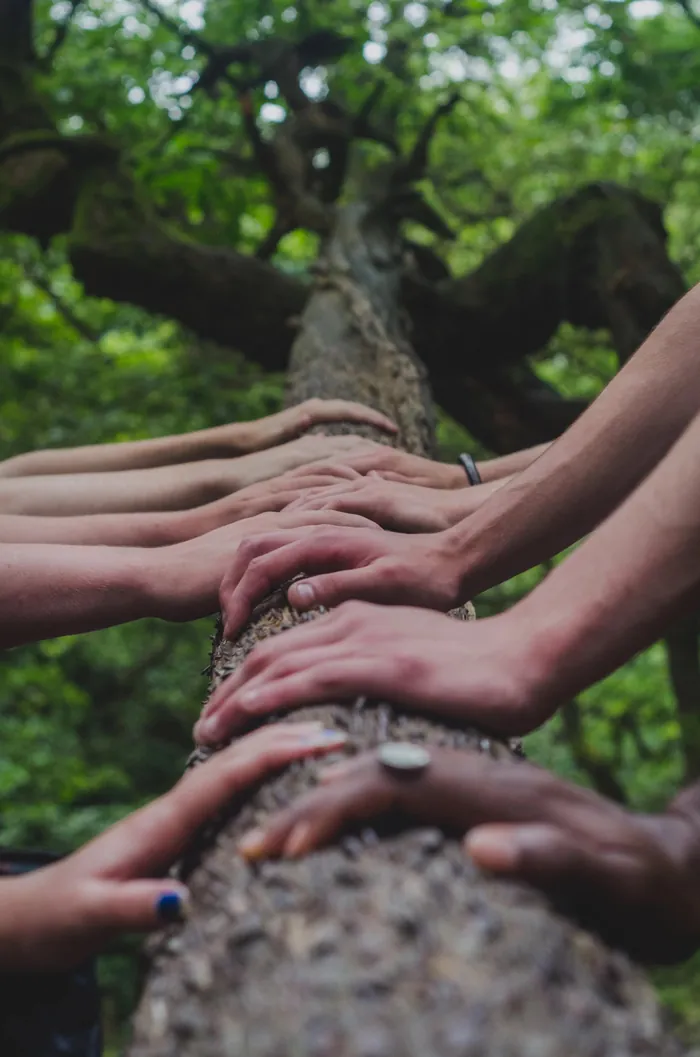
For businesses
Ecoconnect your whole team as a staff gift, like AgriProve did for Christmas 2022, or make a bulk connection.
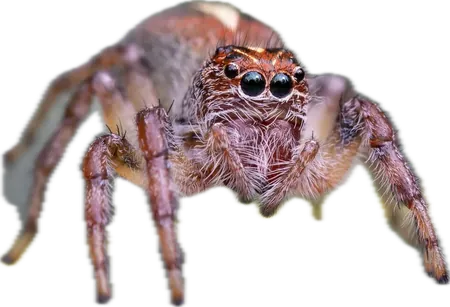
Rhitymna cursor crab spider, Singapore
"He has 8 eyes and his elbows are turned forward, he's so cute!!"
Isogenoides doratus Michigan stonefly
"These cool little dudes have been clinging to rocks in prairie creeks for over 100 million years."
Vesicularia reticulata aquatic moss
"I didn't know there was such a thing as aquatic moss."
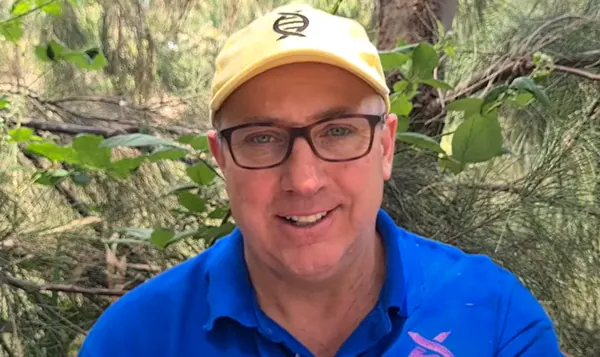
Duncan grew up on a farm at Winnaleah in North East Tasmania and spent his career in Australian wine and emerging agricultural industries. Working with growers to remove neurotoxin insecticides from vineyards and orchards, he found that many of the species keeping pests in check didn't have a name.
He founded Ecoconnections after reading Earth Time by David Suzuki, and was ecoconnected by his daughter Ella on 9 October 2019. His species is a leafhopper. His fun fact: leafhoppers make brocosomes, tiny soccer-ball shaped structures that protect them after moulting.
"I now feel a connection to the dynamics of the place where it lives. This makes me richer."Duncan Farquhar
Naming species is the first step to understanding them. Funds go to taxonomy and biodiversity projects, and at least 10% of proceeds go to QuestaGame's Pays to Know Nature Fund.
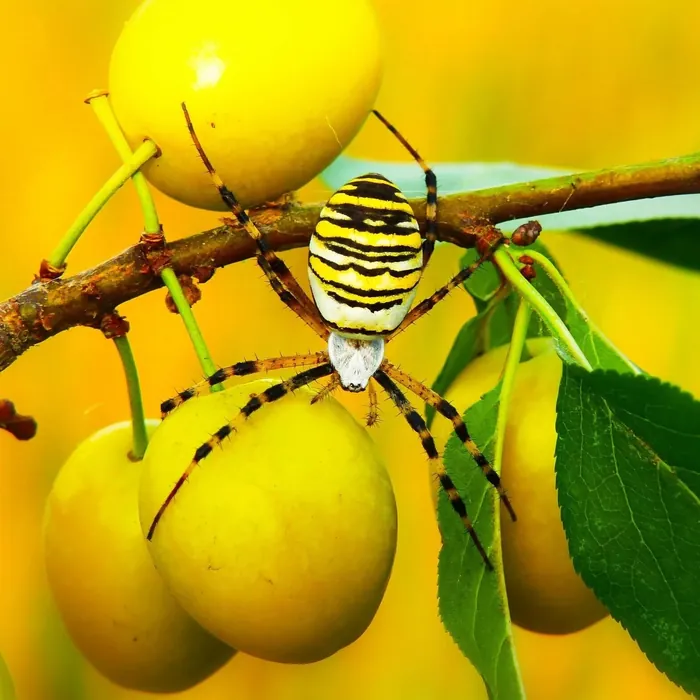
New spiders in farms, orchards and vineyards, with the Australasian Arachnology Society and growers worldwide.
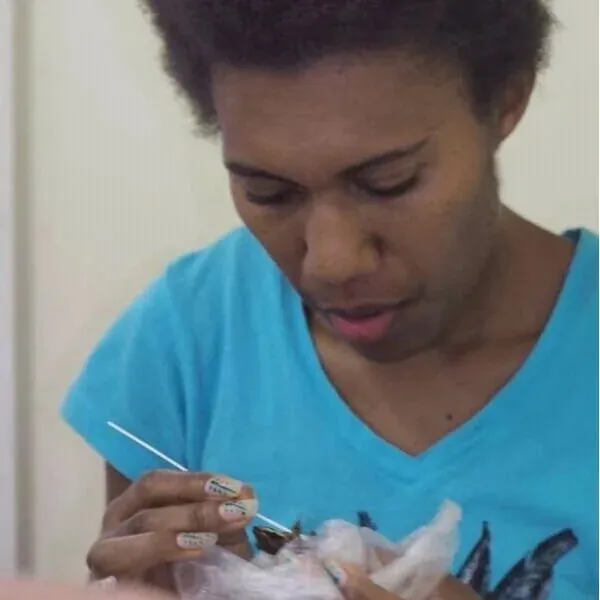
Dillian Nason discovered 14 new frog species during her honours degree.
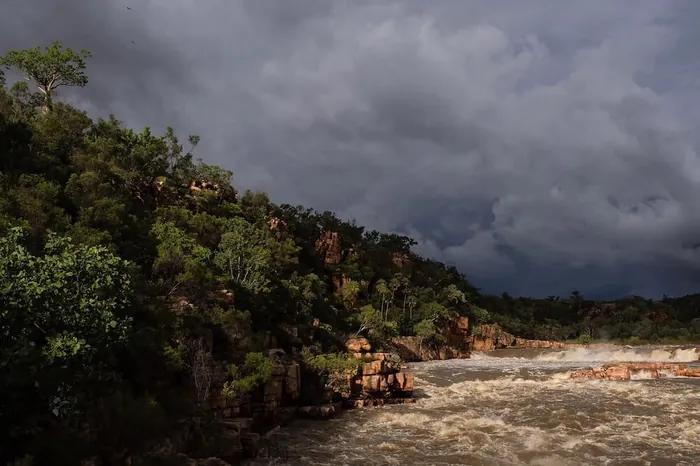
Indigenous approaches to ecology and totems.
More than one thousand species, most of them poorly known.
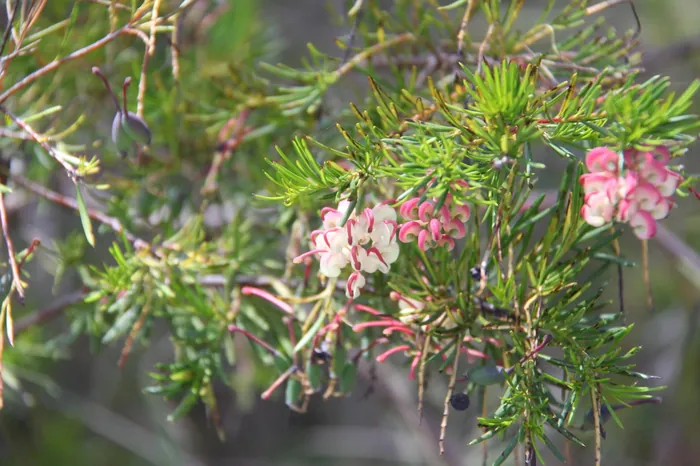
Biodiversity surveys of native Tasmanian grasslands and the species living alongside Gondwanan plants.
All you need is your friend's email address. They get a species, a fun fact to find and a lifelong talking point. It's a one-off payment, for life.
Get ecoconnected
If you need to post something or call, please email first for the most appropriate address or phone number.
Get directionsA species chosen at random from all the species with a name, sent to you by email. Along with it comes an interesting talking point, a reason to go looking for your species' fun fact, and the knowledge that you're helping fund research to name the 70% of species that don't have a name yet.
We think it's important that every species has a special human connection. Little is known about most species, so people would be unlikely to choose most of them. That's why ecoconnected species are picked at random from all named species. If you do have a special connection, Ecoconnect Choose lets you pick your own.
Yes. Just fill in both fields when you pay for your ecoconnection. It's also nice to find a friend to ecoconnect you while you ecoconnect them.
That's taxidermy. Taxonomy is about classifying and giving names to things. The people who classify and name species are called taxonomists.
No. There's no obligation or time commitment attached to being ecoconnected. There is an opportunity for learning, encouragement and conversation. What you do next, if anything, is up to you.
When you ecoconnect someone you're buying a service to give your friend a gift. Ecoconnections is a 'profit with a purpose', global research startup. Businesses may see ecoconnections as a deductible business expense, and larger contributors are welcome to talk to us about arrangements to suit them.
We prefer one species per person, identified by email or mobile. If someone is already connected, the payer can ecoconnect a person on the free list instead.
Once a payment has been completed no refund is provided. If you've made an error in your purchase, email info@ecoconnect.me.